January
Murung
A household rite that uses the whole village. One family hosts. The lapang fills. It is not a single date for every house.
Read Murung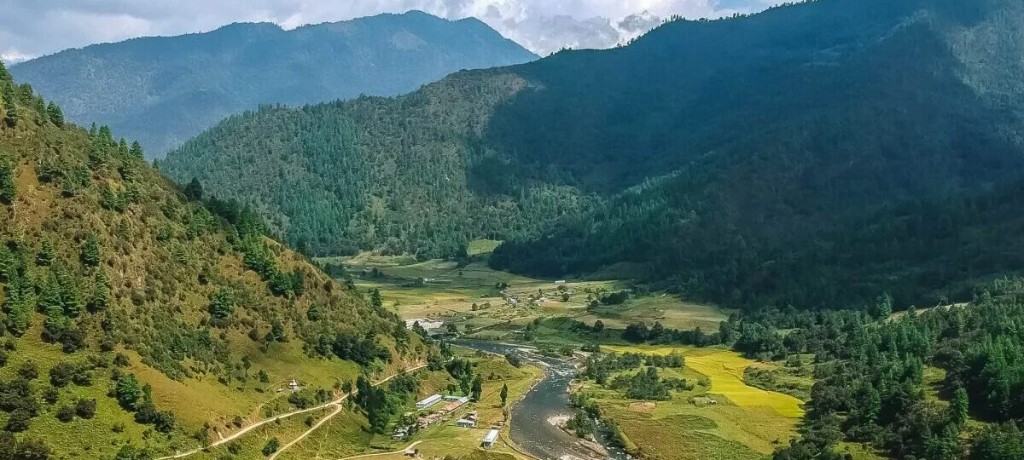
Lower Subansiri
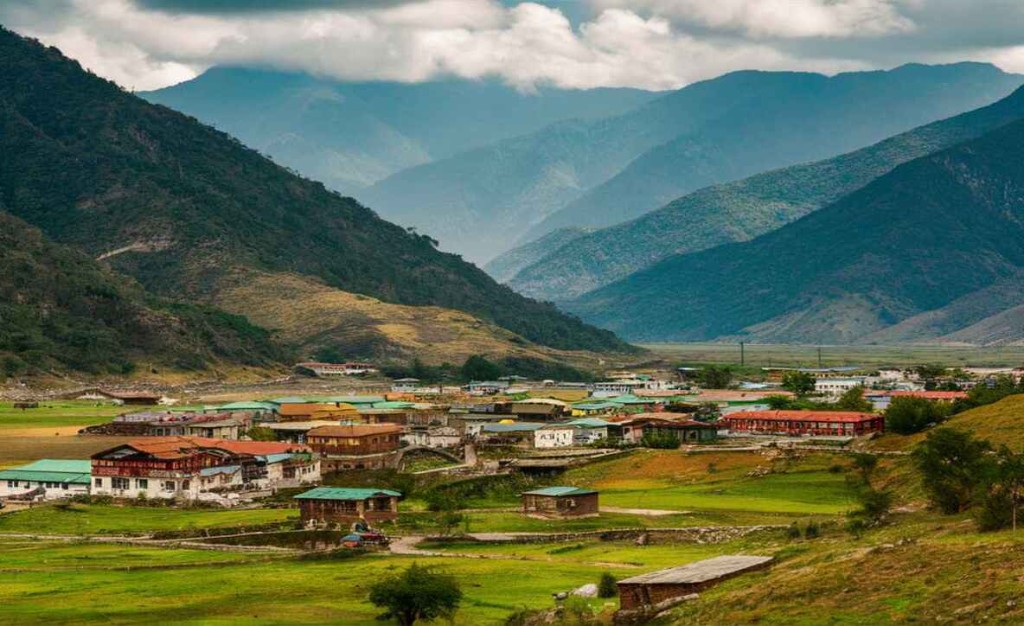
The Apatani, Tanii in their own speech, farm a flat of rice between pine hills. The weather here is not a backdrop. It is the work. M.N is in Mudang Tage, one of the villages on that floor.
The fields
An Apatani plot holds paddy and fish together. The bunds are walked, the water is shared, and the same field feeds people twice. This landscape, and the villages that keep it, sits on UNESCO’s tentative list as the Apatani cultural landscape. Hong, Hari, Bulla, Hija, Dutta, Mudang-Tage: each has its own ground, and its own turn.
The women
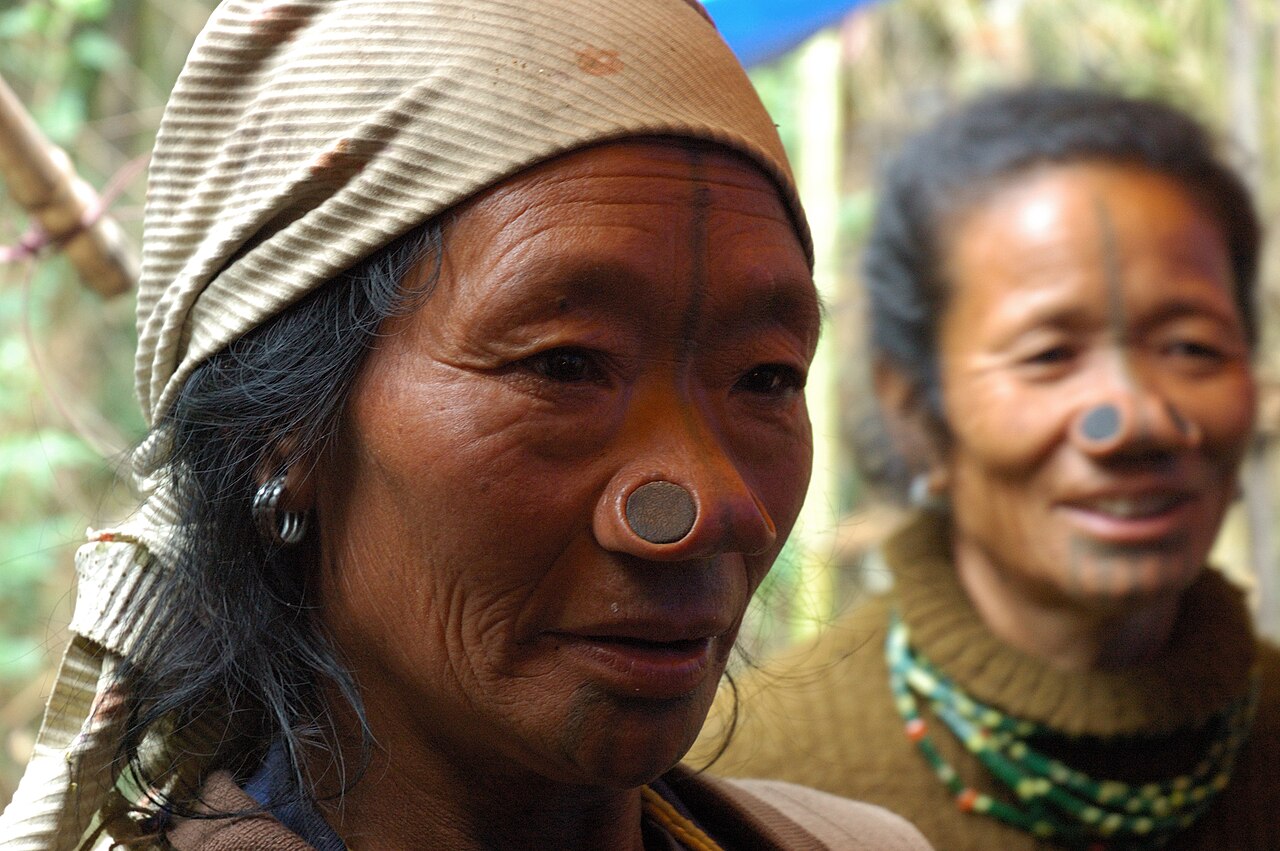
The women in this photograph wear tiipé, the facial tattoos, and yaping hullo, the nose plugs. Those marks belong to older Apatani women. The practice was stopped in the 1970s, and women born after that do not have them. What did not stop is the cloth, the clan, and the year’s work. When the village has something to do in public, the line is still white and red, and heavy with beads.
The year
Myoko, Murung, and Dree belong to the Apatani year. The Ziro Festival of Music does not. It is a guest that arrives in late September and leaves. They are written separately, because a visitor who treats them as one festival will get the valley wrong.
January
A household rite that uses the whole village. One family hosts. The lapang fills. It is not a single date for every house.
Read MurungMarch
Friendship kept in public. The villages take it in turn. Mudang Tage’s turn comes with Hija, Dutta, and Bamin-Michi, not every March.
Read Myoko5 July
The agricultural rite for the standing rice. The common day is fixed. Cucumber is given out. The fields are left alone afterwards.
Read DreeLate September
Ziro Festival of Music, since 2012. Bands in the valley for a few days. Not a rite, and not a reason to walk into a ceremonial ground.
Read the music festival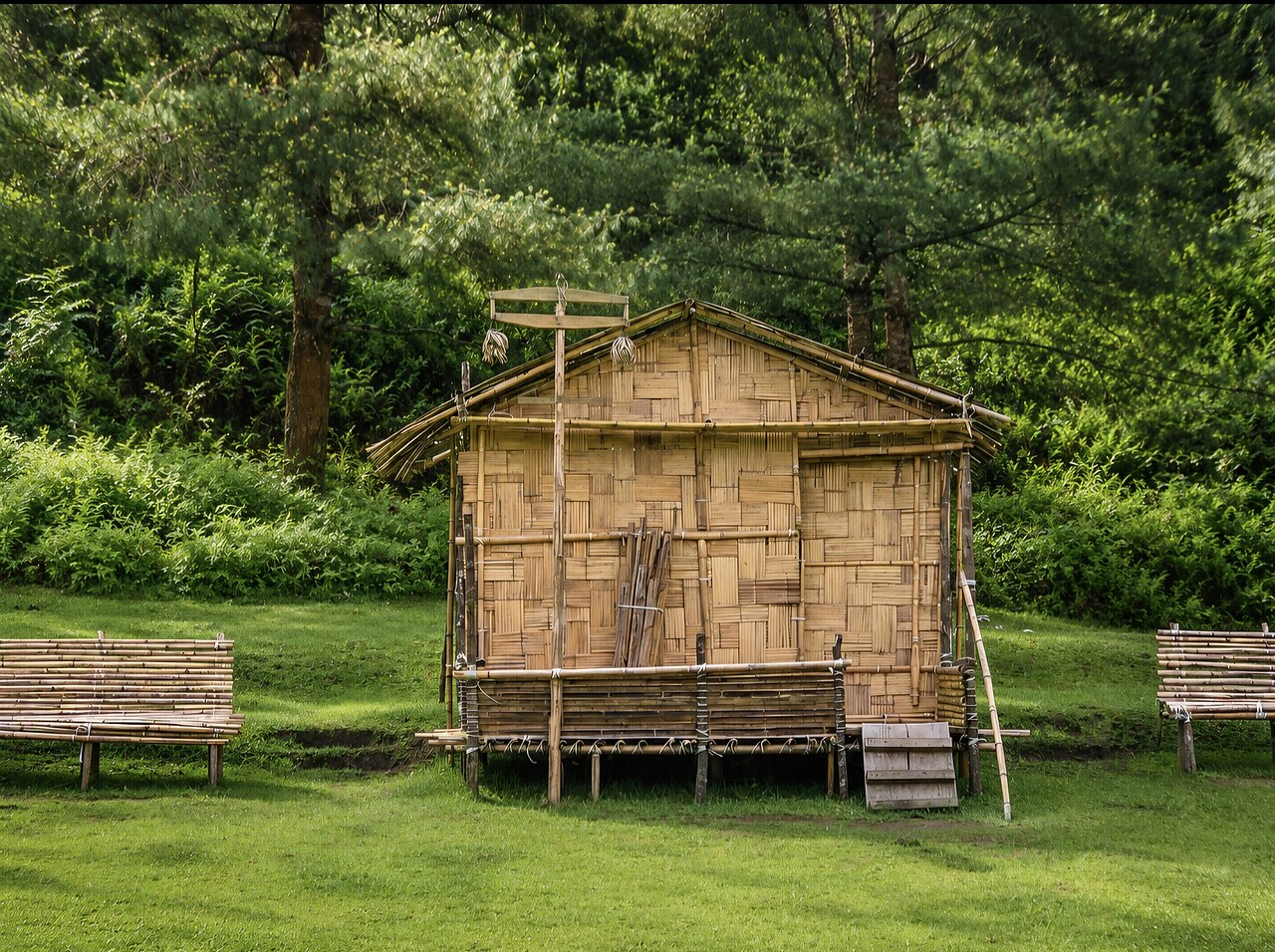
The old house
A traditional Apatani house is woven: bamboo, cane, and a floor raised off the damp. The granary is kept apart from the hearth, which is how a fire stays a fire. M.N is a village house in that line: timber posts, woven bamboo, and balconies. The year outside is still this year.
January, March, July, and late September fill, and they do not fill for the same reason. Book the room before those weeks, and read the page for the week you mean.
Photographs. The two landscapes were given for this page. Wedding in Hija, 2006: Doniv79, CC BY 2.5. Bamboo house: Anand Explore, CC BY-SA 4.0. The Myoko and music-festival photographs are on those pages.

